Essential Appliances for Load Shedding: What Really Matters?
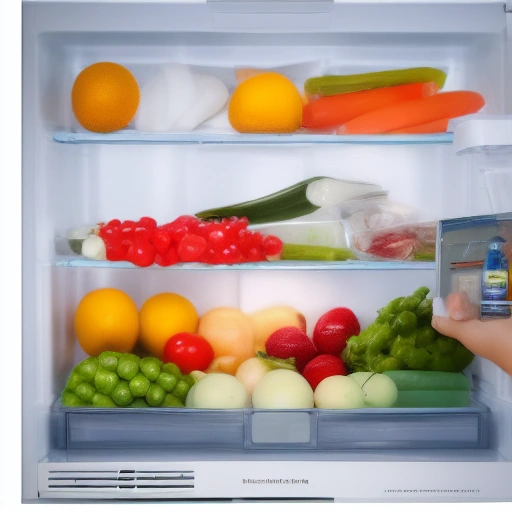
The honest truth: Most South African homes try to keep too much running during load shedding and end up underpowered or overspending. Focus on the 5 critical items first — router, lights, fridge, security system, and phone charging. Everything else is a bonus.
With Eskom's load shedding creating daily disruptions across South Africa, choosing the right backup power strategy means deciding what to prioritise — not just what to buy. This guide ranks every common home appliance by importance, tells you exactly how much power each draws, and gives you a practical budget roadmap from R1,500 to R50,000+.
The Essential Appliances Priority Ranking
Not all appliances are equal during load shedding. Some protect your health and safety. Others protect your income. Most are simply conveniences. Here's the definitive priority list for South African homes:
| # | Appliance | Priority | Typical Power Draw | Why It Matters |
|---|---|---|---|---|
| 1 | WiFi Router & Modem | CRITICAL | 10–25W | Security cameras, work-from-home, family communication |
| 2 | LED Lights (3–5 bulbs) | CRITICAL | 15–30W | Safety, reading, children's homework |
| 3 | Security Alarm System | CRITICAL | 5–30W | Crime spikes during outages — non-negotiable |
| 4 | Phone Chargers (x4) | CRITICAL | 20–60W total | Emergency communication, load shedding apps |
| 5 | Refrigerator | IMPORTANT | 80–200W | Food safety after 4+ hour outages; prevents waste |
| 6 | Gate Motor & Garage Door | IMPORTANT | 150–300W (surge) | Security and access — stuck gates are a real problem |
| 7 | Laptop / Desktop PC | IMPORTANT | 45–200W | Work-from-home income protection |
| 8 | CPAP Machine | IMPORTANT | 30–60W | Medical device — essential for sleep apnoea sufferers |
| 9 | Television | USEFUL | 60–150W | Entertainment, news, children during evenings |
| 10 | DSTV/Streaming Decoder | USEFUL | 15–40W | Often paired with TV — low draw, worth including |
| 11 | Kettle (for hot drinks) | USEFUL | 1,500–2,200W | High draw — only run briefly, not continuously |
| 12 | Microwave | USEFUL | 800–1,200W | Quick meals — needs adequate inverter capacity |
| 13 | Ceiling Fan | COMFORT | 40–80W | Summer comfort — low draw, efficient |
| 14 | Electric Blanket | COMFORT | 60–150W | Winter use only — manageable draw |
| 15 | Air Conditioner | COMFORT | 1,000–3,000W | Very high draw — needs large inverter system |
Power Consumption Reference Guide
Understanding watts is the key to right-sizing your backup power system. Here's a comprehensive reference for the best backup power devices in South Africa — with realistic power draw ranges:
| Appliance | Standby (W) | Running (W) | Startup Surge (W) | 4hr Energy Use (Wh) |
|---|---|---|---|---|
| WiFi Router | 10 | 15 | 20 | 60 |
| LED Bulb (10W) | 0 | 10 | 10 | 40 each |
| Security Alarm Panel | 5 | 20 | 30 | 80 |
| Smartphone Charging (each) | 0 | 15 | 20 | 30 |
| Laptop (15") | 5 | 65 | 100 | 260 |
| Desktop PC (with monitor) | 5 | 180 | 400 | 720 |
| Refrigerator (modern, A-rated) | 80 | 120 | 600 | 300 (cycles on/off) |
| Fridge-Freezer (large) | 100 | 200 | 1,200 | 450 |
| Gate Motor (average) | 0 | 200 | 400 | ~5 Wh per cycle |
| Television (55" LED) | 1 | 100 | 120 | 400 |
| DSTV / DStv Explora | 15 | 35 | 40 | 140 |
| CPAP Machine | 0 | 45 | 60 | 360 (8hr night) |
| Kettle | 0 | 2,000 | 2,200 | 67 (2-min boil) |
| Microwave | 3 | 1,100 | 1,300 | 55 (3-min use) |
| Ceiling Fan | 0 | 60 | 80 | 240 |
| Inverter Air Con (1.5kW) | 5 | 600 | 1,800 | 2,400 |
| Electric Geyser | 0 | 3,000 | 3,200 | 6,000 (2hr heat) |
Pro Tip — The Startup Surge Problem: Many appliances draw 3–5x their running wattage for the first few seconds when switched on. A fridge rated 150W running may surge to 600–800W at startup. Your UPS or inverter must handle the surge wattage, not just the running wattage. Always check VA/W ratings carefully.
Use our home electricity calculator to add up your specific appliance load and get a precise backup power recommendation.
What to Buy First: Budget-by-Budget Guide
Here's the practical buying roadmap for South African households at different budget levels. Each tier builds on the previous one.
Tier 1 — R1,500 to R3,500: The Survival Kit
This covers basic communication, safety lighting, and phone charging for one 2–4 hour outage per day.
- Rechargeable LED emergency lights (x3): R200–R400 each — instant, no installation
- Portable power bank (30,000mAh+): R600–R1,200 — charges phones & tablets multiple times
- 600VA–850VA UPS for router: R800–R1,500 — keeps WiFi and decoder running 3–5 hours
Total: R1,600 – R3,100 | What stays on: Router, decoder, lights, phones
Tier 2 — R4,000 to R10,000: The Comfort Setup
Covers most family needs during Stage 2–4 load shedding with 4-hour outages.
- 2kVA UPS with external battery option: R4,500 – R7,000
- Optional 100Ah lithium battery: R4,500 – R7,000 (dramatically extends runtime)
- LED lighting upgrades throughout home
Total: R4,500 – R10,000 | What stays on: Router, TV, DSTV, lights, laptop, phones, fridge (lightweight)
See our UPS price list for current options in this range.
Tier 3 — R15,000 to R35,000: The Full Home Backup
Inverter system with lithium battery — whole-house backup for Stage 4–6 load shedding.
- 3kW–5kW hybrid or inverter system: R8,000 – R18,000
- 5kWh LiFePO4 battery bank: R18,000 – R28,000
- Electrician installation: R3,000 – R6,000
Total: R20,000 – R35,000 | What stays on: Everything except geyser and oven (all day)
Read our inverter guide for choosing the right system, or our UPS vs hybrid inverter comparison for a detailed breakdown.
Tier 4 — R40,000+: The Solar + Storage Solution
Hybrid inverter with solar panels — generates its own power during the day AND provides backup.
- 5kW hybrid inverter: R12,000 – R22,000
- 10kWh lithium battery: R35,000 – R50,000
- 4–6 solar panels (400W each): R8,000 – R15,000
- Installation and mounting: R8,000 – R15,000
Total: R63,000 – R102,000 | What stays on: Everything, all day, with electricity bill reduction of 40–70%
For design help, see our solar battery system design guide and complete hybrid inverter guide.
Common Mistakes to Avoid
1. Running an Electric Kettle on a Small UPS
A 2kW kettle will instantly trip a 2kVA UPS. Keep your kettle on mains power or invest in a gas camping stove for hot water during outages. Alternatively, a gas kettle costs R200 and eliminates the problem entirely.
2. Underestimating Fridge Startup Surge
Your fridge's compressor starts every 15–20 minutes with a startup surge 3–5x its running wattage. A 150W running fridge may need 600–800W capacity at the inverter. Size accordingly.
3. Ignoring the Security System
Burglaries spike during load shedding. Your alarm system draws very little power (5–30W) but is one of the most important things to keep running. Most modern alarm panels have built-in battery backup — ensure it's charged and functional.
Safety first for gate motors: During Stage 4–6 load shedding, homes with dead gate motors become security risks. Always keep your gate motor backup-powered or ensure manual override is working. Read our gate motor backup guide for solutions.
4. Buying Under-Sized Backup for Long Outages
A 650VA UPS lasts 45 minutes at full load. If you're facing 4.5-hour Stage 4 outages, this is frustrating overkill preparation. Size for at least your primary outage duration plus 30% safety margin.
Frequently Asked Questions
Can I run my fridge on a small UPS?
Yes, but only a modern energy-efficient fridge (A-rated, under 150W running). Check the startup surge specification and ensure your UPS VA rating is at least 3x the running wattage. A 1500VA or 2kVA UPS handles most modern fridges comfortably.
What's the best single purchase for load shedding under R5,000?
A quality 2kVA UPS from Mecer, APC, or Eaton. It keeps your router, TV, decoder, laptop, and a few lights running for 2–3 hours without any installation. See our UPS price list for current options.
How do I keep my office running during load shedding?
Computers, monitors, and printers are the priority. A 2kVA UPS covers a typical home office setup. For a larger setup, consider our office backup power guide which covers multi-desk configurations.
The Bottom Line on Essential Load Shedding Appliances
Five non-negotiables: router, lights, security system, phone charging, and (for outages over 4 hours) your fridge. Get these right first.
On any budget: Start with a router UPS and rechargeable lights — R2,000 covers the basics. Scale up from there as your budget and frustration tolerance dictates.
Skip for now: Air conditioners, geysers, washing machines, and ovens. These are high-draw appliances that need large, expensive systems. Address them only once your critical loads are sorted.
Ready to calculate exactly what you need? Use our home power calculator to input your specific appliances and get a precise system recommendation. Or contact us for personalised advice.